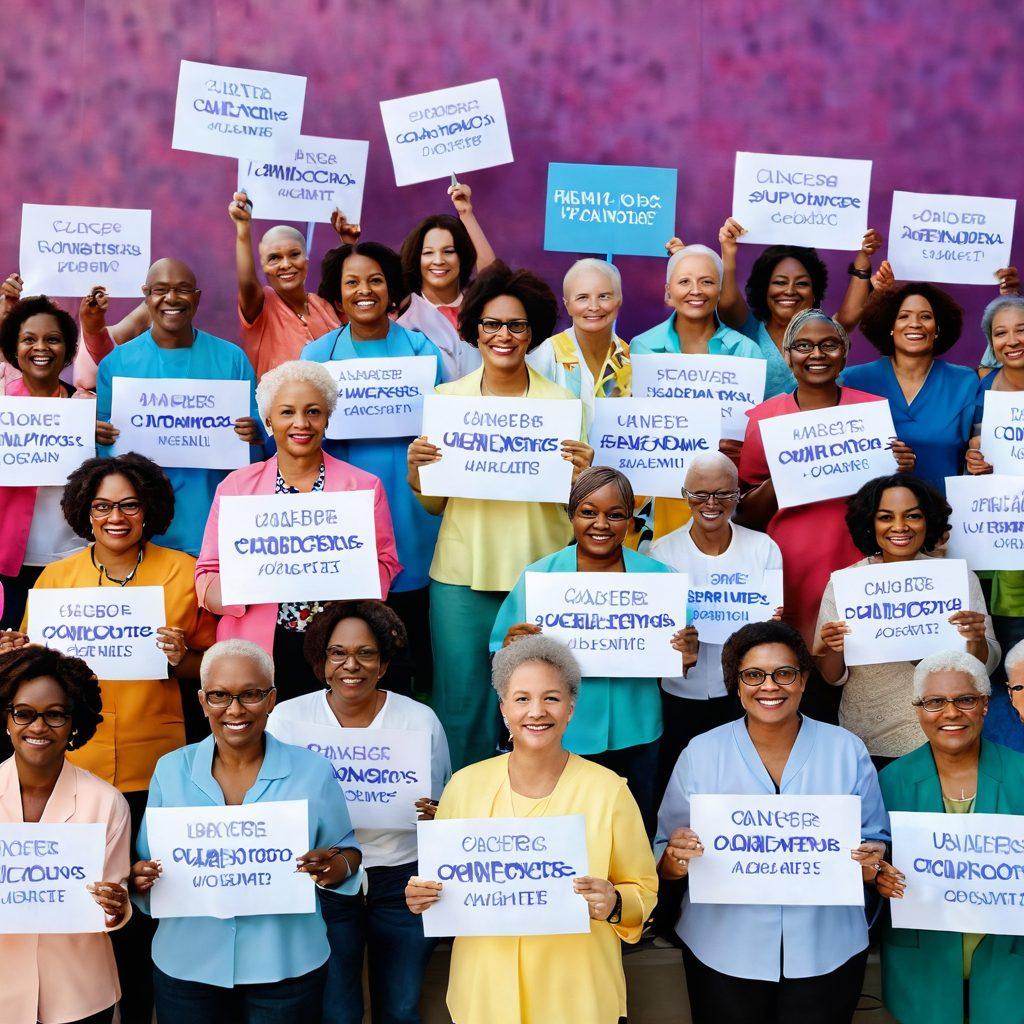
Empowering Voices: A Guide to Cancer Support and Advocacy in Oncology
The moment that word 'cancer' is uttered during a doctor's visit, a multitude of emotions arise. Fear, confusion, and disbelief can cloud the mind, as you grapple with the reality of a malignancy diagnosis. But understanding the oncology landscape is your first step towards empowerment. Picture this: someone sitting right where you are, navigating the choppy waters of medical jargon, treatment options, and a flood of health information. Welcome to your guide on how to traverse the journey from diagnosis to survival in the realm of oncology.
Imagine the oncologist, who has dedicated years to studying neoplasms and perfecting cancer therapies, sitting across from you. You have questions swirling in your mind. What are the next steps? How will this change my life? In these moments, patient advocacy becomes crucial. Having a support system—both emotional and educational—can make all the difference. 'Knowledge is power,' they say. And in the world of cancer, it couldn’t be more true. Understanding your diagnosis, treatment options, and available cancer resources can foster a sense of control amid the uncertainty.
With the right cancer support, survivors are emerging from their battles stronger every day. They become beacons of hope, illuminating the path for others. Each cancer survivor has a story, and those stories are powerful reminders of resilience. Are you ready to embark on your own journey or help someone else on theirs? Ask the tough questions, seek out clinical trials, explore the latest in medical research, and consider innovative treatments like immunotherapy and radiation therapy. These advancements are pushing the boundaries of what we once thought possible in terms of cancer prevention and early detection.
Palliative care is often seen as a last resort, but in reality, it can be a vital part of the oncology journey from the outset. It focuses on quality of life, helping patients manage symptoms and stress throughout treatment. Picture your loved one comforted by a team of specialists who know that life doesn’t stop at a diagnosis. Instead, it blossoms into work with the cancer community to share experiences, advocate for health awareness, and promote the critical need for support systems in oncology.
Finally, let’s talk about the strength of the cancer community. Connecting with others who have faced similar fights can provide the emotional support you never knew you needed. Health blogs and medical blogs are treasure troves of inspiration and practical advice. Whether you are a newly diagnosed patient or a long-time cancer survivor, the journey is best shared. So, let’s continue to talk about the challenges of malignancy and the victories of survival together. Your voice matters, and by understanding the oncology landscape, you can contribute to a future with even more resources and support for those facing cancer.
Navigating Cancer Resources: Your Essential Guide for Support and Advocacy
Navigating the intricate world of cancer resources can feel like wandering through a dense forest without a compass. With an overwhelming amount of health information available, it’s essential to have a guiding light when encountering the challenges of oncology. Be it a diagnosis of a tumor, malignancy, or neoplasm, the journey through cancer doesn’t have to be a solo expedition. In this guide, we will provide you with essential tools for support and advocacy. After all, if you’ve been affected by cancer, whether as a patient or a supporter, your voice can be an invaluable asset in navigating these tumultuous waters.
It’s all too easy to feel lost when phrases like 'oncologist,' 'palliative care,' and 'clinical trials' start to overwhelm you. However, this is where patient advocacy comes into play. Imagine a community that not only shares your fears but also celebrates your victories. Now, which cancer resource can you trust? A good health blog or medical blog can serve as your trusted companion, offering insights into the latest in cancer therapies like immunotherapy or radiation therapy, while also building connections with others who share similar experiences.
Let’s step away from the statistics and facts for a moment. Have you ever found comfort in hearing a success story? A cancer survivor might share their journey and resonate with a critical question: How did they find the strength to navigate their treatment? By promoting health awareness and sharing knowledge, you can empower yourself and others in the cancer community. This empowerment can also extend to important discussions about cancer prevention, early detection strategies, and how to access clinical trials that may be right for you or your loved ones.
It’s crucial to remember that as you navigate cancer resources, you’re not just seeking information but also emotional support. Think of your local support groups, hospital chaplains, or even online forums tailored for cancer patients. There’s strength in connecting with others who are living through similar experiences. The idea is to form a safety net that helps lift each other up during the most challenging moments, providing solace in knowing you’re not alone.
In conclusion, your journey through the realms of oncology can become less daunting when armed with the right resources. Be proactive about seeking out cancer support systems, educational health information, and connections within the cancer community. By doing so, you’ll not only better navigate your circumstances but also unlock the potential to advocate for others in need. Just remember, your voice matters—equip yourself with the knowledge and support you deserve, and together we can foster a world where mythology about cancer gives way to real-life stories of hope and resilience.
The Power of Patient Voices: Championing Change in Cancer Care and Research
In the world of oncology, the voice of a patient is a powerful beacon of change. Imagine the ripple effect that occurs when cancer survivors step forward to share their stories. Each personal narrative contributes to a larger dialogue about cancer care and advocacy. How can we leverage those voices to create impactful change in the fight against malignancy? This question serves as a compass in our journey through the complex terrain of cancer support, shining a light on the integral role that patient advocacy plays in shaping health information and resources across the globe.
Stories of resilience echo throughout the cancer community and remind us of the importance of collective action. A cancer survivor's journey—from diagnosis through treatment, be it surgical intervention or innovative immunotherapy—can inspire countless others facing similar challenges. It's worth pondering: what if we listened more closely to these experiences? As oncologists and health care professionals work tirelessly on clinical trials and research, the experiences shared by patients can guide them toward more effective cancer therapies and foster better overall care in oncology. After all, a patient's voice is not just a story; it can be a catalyst for change.
In many instances, early detection remains a critical advantage in combating tumor growth, leading to improved survival rates. Imagine a world where everyone, equipped with the right health awareness, recognizes the signs of neoplasm at its earliest stages. This is where advocacy meets the need for education. By raising awareness about cancer prevention and creating forums for discussion, we empower individuals to seek the necessary screenings and support that contribute to a healthier future. Through patient-led initiatives, community outreach programs can effectively inform and prepare others for proactive health decisions.
Moreover, navigating the intricacies of palliative care and radiation therapy can be daunting for patients and families alike. Conversations around these topics can lead to increased understanding and acceptance of the various pathways in cancer treatment. By sharing resources and insights, cancer survivors can guide newcomers in the cancer journey, from emotional support to practical advice about available cancer resources—ultimately creating a nurturing environment where no one has to face this battle alone. What can we learn from these platforms of shared knowledge? How can connecting with one another improve our collective experience?
As we champion the power of patient voices, it's crucial to recognize the potential for meaningful change in the landscape of cancer care. By fostering an environment that values patient advocacy, we open doors to new research opportunities, better therapies, and perhaps even groundbreaking innovations that push the boundaries of oncology. The journey is far from over, yet every step taken by a patient speaking out becomes part of a larger movement for a healthier tomorrow. So, let's continue the conversation and amplify those voices, ensuring they resonate far beyond their immediate audience.